

Gas For Patio Heater
No matter if you are looking for heaters for your patio for personal use or for restaurant use, the kind of fuel source that they use will have an impact on cost and the amount of heat produced. Gas-powered patio heaters can be found in three major types including natural gas, propane and electric.
Natural gas patio heaters are connected to the gas line in your home and never be able to fill up with fuel. However, they need professional installation.
Safety
Patio heaters can prolong your outdoor season by providing warmth. They come in a variety of styles and are powered by propane, electricity or gas. No matter which fuel type you select, there are important safety considerations.
Propane is a well-known choice for outdoor heaters due to the fact that it is not harmful and can be stored in small containers. It has an extremely low melting point, so it can be used in colder temperatures. Another benefit of propane is that it does not give off an unpleasant smell when burning.
Follow the manufacturer's guidelines on how to use and maintain your patio heater. Only adults in the household who are familiar with guidelines of the manufacturer should operate the heater on the patio and pets and children must be kept away from the heater at all times. Always ensure proper ventilation. If they are used indoors or partially enclosed, propane and natural gas patio heaters can release deadly carbon monoxide.
If your patio heater comes with an ignition source and thermocouple be sure that the access panel that allows you access to these components is properly secured. It is typical for the access panel to get loose and shift too far from the pilot light, which causes the heater to stop working. You can usually correct this issue by gently pressing the two pieces together using pliers.
You can also increase the security of your patio heater by putting in guards and heat shields and also by ensuring that it is not placed near anything that could ignite. It is also essential to have adequate lighting in the areas surrounding your fireplace table or patio heater. This can be achieved by using solar-powered pathways lights or ambient lighting.
It is also essential to check your patio heater for any signs of wear and wear and tear. Repair or replace any damaged or leaking parts immediately if you notice them. It is also recommended to store the gas cylinder in a secure location that is not exposed to extreme weather conditions.
Cost
Gas patio heaters provide a powerful heating power and are available in a range of sizes. They can heat large areas quickly and efficiently. This makes them popular in commercial venues and large outdoor areas. Because of the higher price of fuel they are more expensive to operate than electric heaters. Electric heaters also generate lower emissions and are in line with energy conservation and sustainability goals.
The choice of the fuel you use for your patio heater could have an impact on its performance and durability. Propane and Butane are both commonly used in patio heaters. However there are differences in their heating efficiency and boiling points. Propane is generally preferred for its lower boiling point, meaning that it can function well down to 40oC. Butane however is unable to vaporize at temperatures lower than -420oC. This means that patio heaters using butane will begin to run out of fuel during extremely cold temperatures.
There are a myriad of elements that can affect the efficiency of patio heaters, including the design, gas type and the environmental conditions. For example the freestanding model is typically less efficient than a patio heater that is in the ground since it loses heat to the air surrounding it. The type of fuel you use can be a factor, as natural gas heaters are usually more efficient than propane models.
Patio heaters come in a wide range of sizes and styles, ranging from tabletop to floor-standing. You can pick natural or propane models and ceiling-mounted or wall-mounted model. Lowe's has a broad selection of gas patio heaters with heating outputs that range from 9500 to 48000 BTU.
Gas patio heaters are an excellent way to extend the outdoor season. However, they can be costly to run. Gas heaters are more expensive to operate than electric ones, and they require a continuous supply of fuel. It is also important to take into consideration the security and maintenance requirements of the model you are considering before you purchase.
A professional installer can help you estimate the cost of installation. This includes local material and equipment delivery and transportation by service provider to and from the worksite as well as labor setup time and mobilization time, in addition to costs for any materials or services required to prepare the work area. The estimate should also include the cost to move, remove or alter existing framing and fixtures, surface finishes HVAC, electrical and plumbing systems, and bring them up to current building standards.
Portability
Patio heaters are a great method to make outdoor areas more functional, whether at home or an office. They can add a warming glow to the space and create a comfortable place for people to gather around. They are a popular feature in bars and pubs, where they can draw in customers. People are more likely to sit at tables with a heater in the patio than without one, and they may also stay longer in the area when they know that there is warmth in the area.
Gas heaters are much more flexible than electric heaters. Electric heaters are generally wired into a wall and are therefore connected to the location. This makes them a much more flexible option for the homeowner than electric models, which is typically restricted by the size of the power cord or the length of the plug. The majority of patio heaters come with comprehensive instructions as well as all the composite parts needed to assemble them. You can have your patio heater up and running in just an hour after receiving it, without having to call a professional electrician.
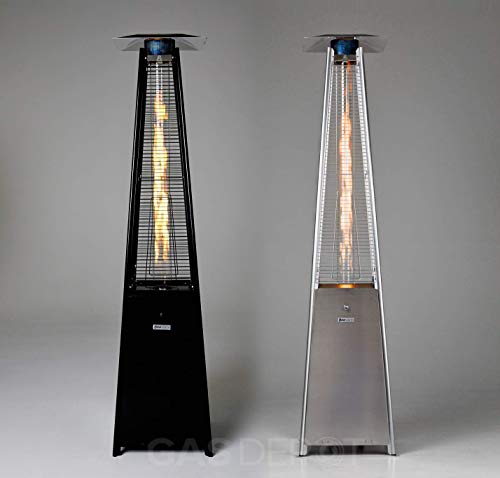
Gas patio heaters are powered by propane or liquefied petroleum gas (LPG) Cylinders and then make use of this fuel to create heat. The flames that come from the burner are directed at a perforated screen made of metal, which is then reflected upwards to release the heat into the surrounding area. A silvered hood that is placed on top of the burner further reduces the loss of heat by reflecting infrared radiation back down towards the patio area.
Propane patio heaters are very portable and provide a significant amount of heat in the smallest footprint. They are an excellent choice for homeowners who want to keep their patios warm in the winter months, and can be combined with a fire pit or barbecue to make the area more relaxing. helpful resources are available in a variety of sizes and styles so you'll be able to choose one that is suitable for your outdoor space and requirements.
The output of heat
When selecting a patio heater, be certain to consider the output of heat that is measured in British thermal units (BTU). gas patio heater pyramid means that the heater can provide more heat. Propane is the most popular fuel for patio heaters since it has a lower boiling point than butane and will function effectively even in extremely cold temperatures. Propane can be used for all kinds of patio heaters.
Gas patio heaters are an excellent accessory to any outdoor space. It creates a warm ambience by generating radiant warmth that reflects the coolness in the evening air. It is also ideal for pubs and restaurants with outdoor seating areas, because customers are more likely to sit and enjoy their meals or drinks in warm temperatures.
There are propane gas patio heater of patio heaters, including gas towers that are standalone and can be seen in the outdoor areas of numerous restaurants and bars, as well as portable heaters that use readily available propane tanks. These heaters can be used for commercial and residential applications. They are fairly inexpensive to run, and produce plenty of heat for large outdoor spaces. Some are equipped with ceramic fascias that distributes heat, while others have live flames that emit radiant energy.
Some patio heaters are assembled by the homeowner. They include a complete set of components made from composite as well as detailed instructions on how to put them together. However, the installation process is more difficult for propane or natural gas heaters as they require a professional to connect them to gas lines and an electrical socket.
Patio heaters that require a gas cylinder come with a burner on top of the pole that is able to burn propane, butane or natural gas LPG. A reflector is also added to help direct heat and reduce heat losses from conduction. To ensure safety and efficiency these models require gas regulators that match with the pressure of the cylinder.
A patio heater needs adequate ventilation because it releases gases such as carbon monoxide and hydrocarbons. It should not be used in a closed space, but only in a space that is well ventilated. This is because a closed space will increase the amount of oxygen in the air, which may cause carbon monoxide poisoning as well as other serious health issues.