

Gas Fire Patio Heater
A gas fire patio heater can warm a seating area and provide an inviting space for gathering. They can be powered by electricity, propane, or natural gas.
Electric models have the benefit of no fumes or carbon monoxide, but they aren't as portable as other options. Propane tanks provide portability but require refilling, while natural gas patio heaters connect to the natural gas line and reduce the requirement for canisters.
Safety Features
Patio heaters can provide comfortable heat to enjoy your outdoor space. However, they should be used with care. The heaters that emit radiation or are positioned close to flammable materials could pose fire risks, especially in weather conditions that are windy. The heater should be placed on a stable surface, and they should be secured or weighted to prevent them from falling over. To avoid contact with the heater ensure at least three feet around the heater. Always follow the manufacturer's directions regarding setup and operation, and safety guidelines.
The type of heater that you select will determine the area it will heat and the fuel source and whether it produces radiant heat or flame. Propane patio heating systems are portable and use propane tanks. They are great for homes and cottages. They also produce a greater amount of heat than other kinds of heaters, however they require regular refilled or replaced. Certain models come with a shut-off tilt valve to prevent fires when they're not being used.
Natural gas patio heaters are a safer alternative to propane. They are connected to the natural gas lines within your home. They're also less expensive operate than propane units, however they can be more difficult to move. Make sure there are no leaks prior to using a natural gas heater by applying a solution of soapy water to the connection points and the gas tank.
If you're worried about emissions, think about an electric patio heater. They are powered by an electric cord that plugs in to an electrical outlet, and don't produce carbon monoxide or combustion gases. However, they're not as powerful and won't warm larger areas as other types of heaters.
You can choose from a range of styles to find the right decorative outdoor heater for your patio. Some heaters have a cylindrical or pillar design and others resemble tabletop fireplaces. Some heaters have decorative covers that protect the burners from dust and weather when not being used. There are even hanging units to give a warm glow to a pergola, gazebo, or trellis.
Fuel Sources
The kind of fuel used to power the gas patio heater will determine how it operates and how much maintenance it will require. It can also impact the cost of its use and environmental impact. There are three types of fuel: propane, natural gas, and electricity. heater patio gas make use of wood, but they are not suitable for restaurant use due to the fire and smoke hazards.
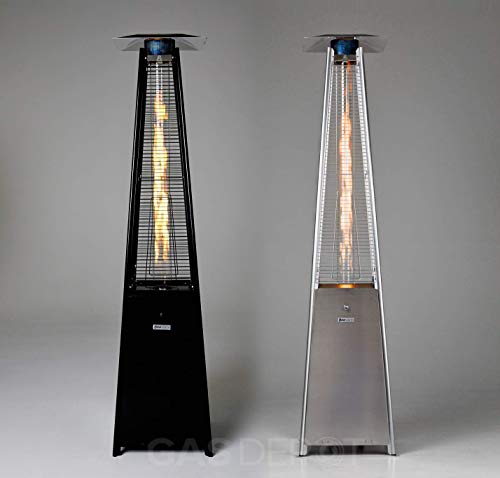
The propane patio heaters are powered by tanks located in the base. This design makes the heaters portable and simple to replace if the tank runs out. These heaters are available in the form of a mushroom, which is popular with patrons at pub gardens and restaurants terraces. They can also be bought as freestanding units with flames that come from lava stones or fake logs. Some models use an extended hose to connect to the tank, while others are fitted with specially-designed cannister covers to hide the nozzle and hose.
Propane patio heaters are popular due to the fact that they do not require installation or maintenance and are priced lower than other options for gas heating. They don't provide the same amount of heat as some other models, and a 5-gallon tank of propane can only last about 10 hours before it shuts down.
Natural gas heaters function similarly to propane heaters but offer more consistent heat and BTU levels. They are also more efficient in energy use and emit less emissions than propane models. However natural gas heaters requires professional installation and needs to be connected to an existing gas line which isn't always possible for businesses that lease or have outdoor seating areas.
Electric patio heaters cost more than gas heaters and require to be connected to an electrical outlet. The fact that they are flameless makes them safer to use outdoors, however they require regular maintenance and cleaning. They are also limited in terms of how they can emit heat and can be affected by wind gusts. Review the instruction manual of the electric unit as well as local laws prior to purchasing it to ensure it is appropriate for your area.
Adjustability
You want to enjoy an inviting atmosphere in your outdoor space, whether you're having a family meal or relaxing on your patio with a coffee. Gas patio heaters can provide warmth and ambiance. However, there are a few important points to be aware of about using and maintaining the patio heater to prevent issues that could cause injuries or injury.
If your propane patio heater isn't glowing, it could be a problem with the thermocouple. The sensor detects when flame is present and then opens the gas valve. If the thermocouple or the pilot igniter is obstructed by soot or dirt the sensor will not function properly and could shut off the gas flow. Check the thermocouple or pilot igniter for obstructions, and clean them as needed.
In addition to a defective control knob, the most common reason for a patio heater to not start is because the tank of gas is empty. If the gas tank is low then you must refill it before using the heater. If the problem persists you may have a leaky gas pipe that leads to your burner. A leak in this pipe could cause a fire if it is not addressed promptly. A leaky pipe is usually easy to diagnose, as it makes a specific sound when the gas flows through.
Some patio heaters utilize a push-button to ignite the pilot, while others use an electric ignition system. In either case, it is an excellent idea to refer to the owner's manual of your specific model and follow instructions carefully for operation. If you have a propane patio heater ensure that the hose to the tank is properly connected and free of any obstructions that could block gas flow.
Both fire pits and patio heaters require regular maintenance and cleaning, but the requirements differ little depending on the kind of patio heater you've got. A patio heater is generally less troublesome to maintain than a fire pit, because it is less exposed to elements and has more safety features in place.
Installation
To minimize the chance of carbon monoxide or fire the majority of outdoor heating systems require certain clearances during installation. Ensure that your heater is at least 6 feet away from the ceiling and away from other combustible surfaces like furniture made of fabric, trees and gazeboes. You should also allow airflow to avoid fires, smoke and odors. Installing carbon monoxide alarms will provide you with additional peace of mind.
Gas fire patio heaters are a great method of heating up an area in a safe, efficient way without taking up much space on the floor or using a lot of energy. These heaters offer a versatile design that blends into the surroundings, meaning you can pick from a variety of sizes and styles to complement your outdoor decor. Some models are designed as traditional fireplaces while others are sleeker and more modern with stylish metal finishes.
When selecting a gas fire patio heater, it is crucial to read the manufacturer's instructions carefully. Each type of heat source has its own safety tips as well as operating instructions and maintenance requirements that are unique to the particular product. The information will help you determine which model is best for you and provide you with a clear understanding what you can expect from the unit.
You may need a professional to install your heater based on its size and design. It is best to request an estimate prior to hiring a professional. Installation costs will depend on where your heater is located and whether you require gas lines.
If you are on a tight budget, you may be able to save money by purchasing propane gas heater that is freestanding or a natural-gas heater that is connected to your existing gas line. Be aware that you'll be charged by your local gas company based on the number of BTUs the heater produces.
A high-quality gas patio heater can bring warmth and comfort to your backyard for years to come. You'll find a variety of choices at Lowe's with freestanding and portable models that are ideal for smaller areas. We have energy-efficient and high-efficiency units that can provide heating up to 48000 BTU. You can even choose a dual fuel version that burns propane and natural gas for greater flexibility.